
What Legal Trends Are Influencing Clean Energy Projects in India
Introduction
India’s clean energy sector continues to expand as the country focuses on sustainability and long term energy security. Renewable energy projects such as solar and wind are becoming central to national development strategies. This growth is not driven by technology alone. Legal frameworks and regulatory developments play a significant role in shaping how these projects are planned and executed.
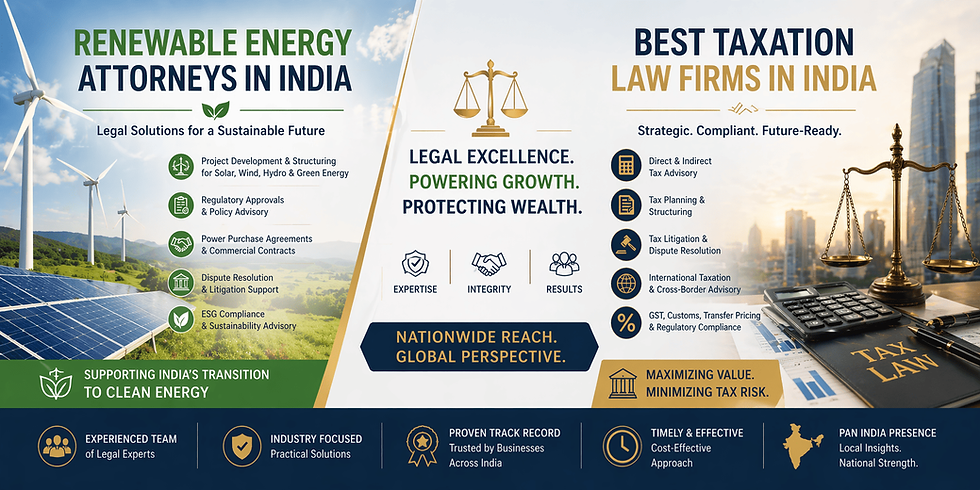
Businesses entering the clean energy sector must understand evolving legal trends. These trends influence compliance requirements, investment structures, and operational practices. A clear understanding of the legal environment helps organisations manage risks and achieve sustainable growth in a competitive market.
Growth of Clean Energy Sector in India
India has emerged as a key player in the global clean energy landscape. Increasing demand for power and environmental considerations have accelerated investment in renewable energy projects. Government initiatives continue to support this expansion.
The sector offers significant opportunities for businesses. However, success depends on the ability to navigate regulatory frameworks effectively. Legal trends are shaping how projects are financed, developed, and operated.
As the sector evolves, businesses must stay informed about changes in policies and compliance requirements. This ensures projects are executed efficiently and align with sustainability goals.
Strengthening Regulatory Frameworks
One of the most prominent legal trends is the strengthening of regulatory frameworks governing clean energy projects. Authorities have introduced policies to streamline approvals, ensure compliance, and promote transparency.
Clear regulations reduce uncertainty for investors and developers. Businesses can plan projects with confidence when requirements are well defined. This stability encourages long term investment in the sector.
Companies often consult top renewable energy law firms in India to interpret regulatory frameworks and ensure compliance with sector specific laws. Legal advisors provide guidance on approvals, agreements, and operational standards.
Strong regulatory frameworks create a stable environment which supports sector growth.
Focus on Environmental Compliance
Environmental compliance has become a central aspect of clean energy projects. Regulations require businesses to assess environmental impact and follow sustainable practices during project development.
Approvals related to land use, environmental clearances, and safety standards must be obtained before execution. Businesses must maintain accurate documentation and adhere to regulatory timelines.
This focus on compliance ensures projects contribute to sustainability goals while minimising environmental impact. It also reduces the risk of disputes and delays.
Legal advisors play a key role in guiding organisations through environmental regulations and ensuring adherence to requirements.
Evolving Taxation Policies and Incentives
Taxation policies continue to influence clean energy investments in India. Incentives such as tax benefits and subsidies encourage businesses to invest in renewable projects. These measures improve financial viability and attract investment.
However, understanding taxation frameworks requires careful planning. Businesses must ensure compliance with reporting standards and utilise incentives effectively.
Many organisations rely on taxation law firms in India to manage financial planning and align projects with tax regulations. Legal professionals provide insights into structuring investments and optimising financial outcomes.
Effective tax management supports profitability and long term sustainability of clean energy projects.
Increasing Role of Digital Compliance
Digitalisation is shaping how compliance is managed in the clean energy sector. Online systems for approvals, reporting, and monitoring have improved efficiency and transparency.
Businesses must adapt to these systems by maintaining accurate data and ensuring timely submissions. Digital platforms also allow authorities to monitor projects more effectively.
This trend increases accountability and reduces the scope for errors. Companies which embrace digital compliance can manage obligations more efficiently and reduce operational risks.
Digital transformation continues to influence how renewable projects are executed and monitored.
Importance of Contractual Clarity
Clean energy projects involve multiple stakeholders, including developers, investors, and suppliers. Clear contractual agreements are essential for managing relationships and ensuring smooth operations.
Legal trends emphasise the importance of well structured contracts which define roles, responsibilities, and obligations. Proper documentation reduces the risk of disputes and enhances project stability.
Legal advisors assist in drafting and reviewing agreements to ensure compliance with applicable laws. Their expertise helps businesses protect their interests and maintain operational efficiency.
Strong contractual practices contribute to successful project execution.
Impact on Investment and Market Confidence
Legal trends play a significant role in shaping investor confidence in the clean energy sector. Transparent regulations and consistent policies create a stable environment for investment.
Investors prefer markets where risks are clearly defined and managed. Strong legal frameworks ensure enforceability of agreements and protection of rights.
This confidence encourages both domestic and international investment. As a result, legal stability becomes a key factor in driving sector growth.
Businesses which align with regulatory expectations are more likely to attract funding and partnerships.
Future Outlook of Legal Trends
The legal landscape for clean energy projects in India is expected to continue evolving. Future trends may focus on improving efficiency in approvals, enhancing digital compliance, and supporting innovation in emerging technologies.
Policies may also expand to address new areas such as energy storage and advanced renewable solutions. Businesses must remain adaptable to these changes and update their strategies accordingly.
Legal advisors will continue to play a crucial role in guiding organisations through these developments. Their expertise ensures businesses remain compliant and competitive.
Conclusion
Legal trends are shaping the growth and development of clean energy projects in India. Strengthened regulations, environmental compliance, and evolving taxation policies are influencing how businesses operate in this sector.
Understanding these trends is essential for managing risks and achieving sustainable growth. Legal expertise provides the guidance needed to navigate complex frameworks and ensure compliance. Firms such as SMV CHAMBERS support organisations in addressing legal and taxation challenges, helping them succeed in India’s expanding clean energy market.


Comments